Strap, Clasp and Lining: Five Vintage Handbag Shapes Worth a Second Look in 2026
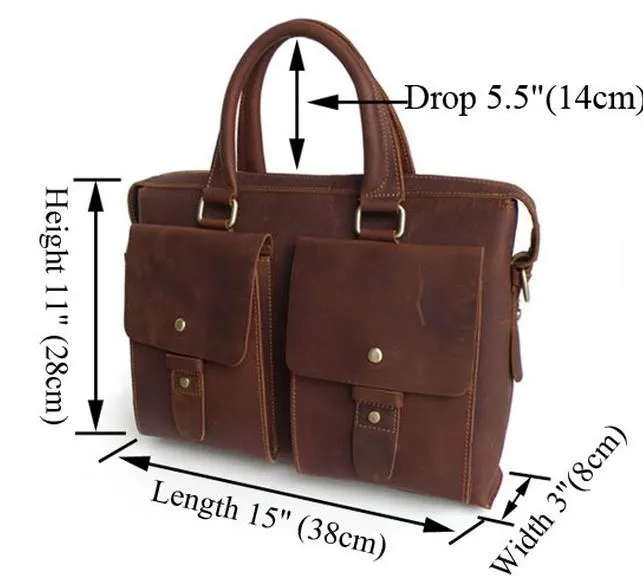
Photo: Gemoutlook, CC BY-SA 4.0, via Wikimedia Commons
Bags are where most people dip a toe into vintage, and where most people get quietly burned. A dress that turns out to be wrong is an annoyance. A bag that splits at the strap on the second outing is a waste of forty quid and an afternoon.
The good news is that bags are also the most repairable thing in your wardrobe. Leather, metal and thread can all be put right, often for less than a new high-street bag costs. What follows is a shape-by-shape audit of five silhouettes that genuinely earn their place in a 2026 wardrobe — what to look for, what to pay, and how to keep them in rotation.
First, the four-point check
Do this on every bag before you buy, in this order.
Leather. Bend the flap or the gusset gently. Surface scuffing is fine and usually lifts with cream; what you are looking for is cracking along a fold line, which means the fibres are gone. Check the strap attachment points hardest — that is where stress concentrates. Squeeze the leather: it should feel cool and slightly springy, not papery.
Hardware. Solid brass dulls and cleans up. Plated metal flakes and cannot be saved. Look for screw-backed fittings rather than glued, and check that the clasp actually closes with a satisfying click — a frame bag with a weak kiss-lock is a five-minute fix for a repairer, but you should know before you pay.
Lining. Leather linings age beautifully; fabric linings tell you more about use. Ink stains at the bottom are common and mostly harmless. Mustiness is not — it usually means the bag has been damp, and it rarely leaves entirely.
Stitching and edges. Even, tight machine stitching is a good sign. Painted edge finish that has flaked is cosmetic and re-doable; stitching that has rotted along the top edge is a bigger job, though still cheaper than you would think.
The structured frame bag, late Fifties to Sixties
The one with the metal clasp on top and a shape that holds itself. Look for croc-embossed calf, box calf or good lambskin, a firm base, and a single interior pocket. Avoid anything with a plastic-looking gleam — early PVC imitations have hardened and cracked by now.
How it works in 2026: this is your evening bag, your wedding-guest bag, your 'I have a meeting and then a drink' bag. It holds a phone, a cardholder, a lipstick and nothing else. That is the point.
Where to find one: charity shops in market towns, £8 to £25; eBay lots described as 'vintage handbag bundle', where you can pay £30 for three; specialist fairs at £40 and up for named makers.
Care: a thin coat of neutral cream twice a year, and keep it stuffed with acid-free tissue so the frame does not distort. Never hang it by the handle.
The top-handle box bag, Fifties to Seventies
The workhorse. Twin rolled handles, a flat back, often four little metal feet. Judge it on the handles first: they should stand up on their own, and the leather should not have compressed to a flat ribbon. Check the feet are all present and screwed in, and that the base panel has not sagged.
How it works in 2026: with tailoring, with a trench, with jeans and a blazer. It is the most versatile shape on this list and the one most likely to become the bag you actually use.
Where to find one: this is the car-boot shape. £15 to £35 is normal; anything over £60 needs to be exceptional leather or a name you recognise.
Care: a saddle soap clean on the body, a neutral wax on the handles, and a shoemaker can replace a broken handle stitch for under a tenner. If the lining is shot, a local leatherworker will re-line in cotton for around £35 — worth it on a good box bag.
The saddle bag, Seventies
Rounded flap, thick leather, brass buckles, an adjustable strap you can wear crossbody. It is the most forgiving shape for daily use, and the easiest to repair because the construction is simple.
How it works in 2026: exactly as it did then — with knitwear, with denim, with a waxed jacket. The adjustable strap is why it survives; wear it short on the shoulder or long across the body depending on your coat.
Where to find one: online resale platforms are thick with them, £20 to £50. Look for solid brass and thick, slightly oily leather. Avoid the flimsy tan imports that flooded the market in the Nineties.
Care: these take oil well. A light neatsfoot or mink oil on the strap edges stops cracking. If the buckle pin is bent, a cobbler will swap it. Keep it out of radiators.
The bucket or drawstring bag, Eighties to Nineties
Soft-bodied, gathered at the top with a leather thong or cord, often suede. The risk here is structure loss — check that the base still has a stiffener and that the drawstring channel has not stretched out.
How it works in 2026: it holds more than any other shape on this list without looking like a tote, which makes it the practical choice for anyone carrying a laptop-adjacent life.
Where to find one: charity shops undervalue these consistently, £6 to £20. Suede versions are the bargain; leather versions hold value better.
Care: suede needs a brass brush and a protector spray, and absolutely no water. If the drawstring has snapped, replace it with a leather bootlace — a two-minute job and usually an improvement.
The Nineties shoulder bag
Short strap, sits under the arm, minimal hardware, often smooth calf or a good nylon. The current revival means prices have risen, so buy on condition rather than label. Check the strap length against your winter coat — too many of these only work over a shirt.
How it works in 2026: it is the shape that makes a plain outfit look considered. Small, flat and easy to pack.
Where to find one: online resale, £25 to £70. Genuine leather beats nylon at the same price, every time.
Care: smooth calf takes a cream polish well; wipe hardware with a dry cloth rather than polish, which strips the plating on cheaper pieces. Store flat, not hanging.
Two rules to finish
Buy the shape you will carry, not the shape you admire. And check the strap before anything else — it is the part that fails first and the part that decides whether a bag goes into rotation or into a cupboard. Everything else on a vintage bag can be fixed.