The Five-Finger Finish: Vintage Gloves for Cold British Mornings
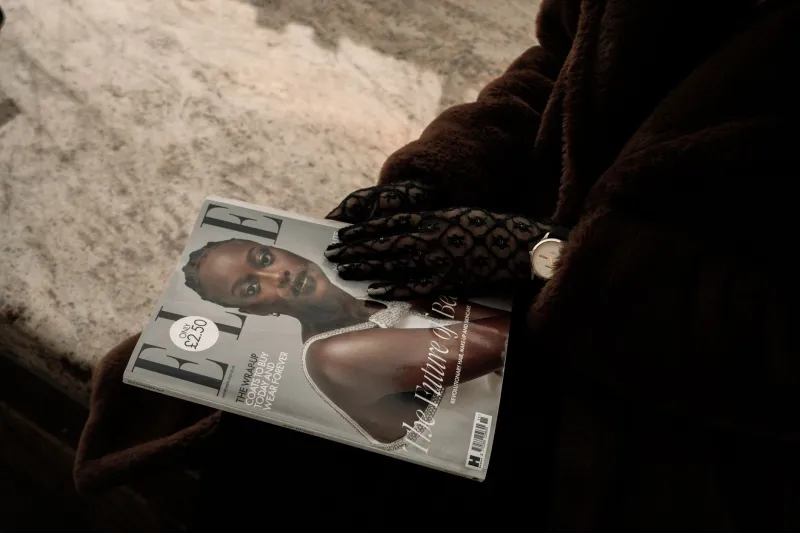
There is a moment on a British winter morning when the cold stops being atmospheric and starts being personal. It arrives at the fingertips. A scarf can be loosened, a coat can be buttoned higher, but bare hands have no plan B. That is why vintage gloves deserve more attention than they usually get. They are small, inexpensive, easy to overlook on a charity-shop shelf, and quietly transformative. A worn-in pair of leather gloves can make a high-street overcoat look as though it has a history. A wool pair can soften the sharpest tailoring. And unlike a novelty hat or a statement scarf, gloves rarely shout. They simply finish the job.
Start with the handshake, not the label
Vintage gloves are one of the few categories where construction tells you almost everything. Turn the cuff back and look at the seams. On good leather gloves, the stitching should be small, even and slightly recessed, not puckered or skimpily finished. Look for a lining that has been properly inserted rather than glued in as an afterthought. Silk, fine wool and cashmere linings are all worth having; a sweaty synthetic lining is not. If there is a label, read it, but do not let a famous name override what your fingers are telling you. A well-made unbranded pair from a British market stall can outlast a designer pair that has been stored badly.
Leather quality is easier to judge by touch than by reputation. Lambskin is soft and supple, goat leather is tougher, and deerskin has a lovely suede-like nap. What you want is flexibility without sponginess. Squeeze the back of the hand gently: the leather should crease rather than crack. Check the points where the thumb meets the palm, because that is where dry leather usually splits first. And look at the fingertips. If they are shiny, papery or worn through, walk away. Gloves are a small purchase, but they are not worth a repair bill that exceeds the price of a better pair.
Wool, knit and the moth question
Knitted and wool gloves are the more forgiving end of the market, which makes them a good entry point if you are new to vintage. Look for tight, even tension and a cuff that still grips the wrist. A loose cuff will let cold air straight up your sleeve, and no amount of nostalgia will fix that. Check the gaps between fingers, where holes tend to appear first. Small darns are fine if they are tidy and flat; lumpy repairs will annoy you every time you put them on. Moths are the real enemy. Hold the gloves up to the light and look for thinning patches, especially along the seams and the back of the hand. A faint smell of cedar or lavender is a good sign; a musty smell is not.
If you are buying at a car-boot sale in late autumn, do not be afraid to ask the seller to turn the gloves inside out. Most will not mind, and it is the fastest way to spot a split lining or a hidden hole. Charity shops are often better for gloves than for coats because staff tend to price them low and display them near the till. Look in the oddments basket, the jewellery case, and the box of scarves and hats. Vintage fairs are where you will pay more, but you will also find better labels, proper sizing and sellers who can tell you how a pair has been stored.
Fit is the whole point
A vintage glove should feel snug but not tight. Your fingers should reach the ends without curling, and the web between thumb and forefinger should sit comfortably rather than pulling. If the gloves are too long in the finger, they will crease and wear through quickly. If they are too short, you will feel it every time you grip a handle or a cup. Leather does relax with wear, but only a little. Buy the pair that fits now, not the pair you hope will stretch into shape.
Sizing varies wildly across decades. A 1960s size 7 may fit nothing like a modern size 7, so ignore the number and trust your hand. If you are shopping online, ask for measurements across the palm and the length from wrist to middle fingertip. A good seller will provide them. A vague seller will not.
Wearing them without the fancy-dress feeling
The trick with vintage gloves is to let them be the only old thing in the outfit, or one of two at most. A pair of 1950s doeskin gloves looks modern with a plain navy overcoat, straight-leg trousers and a simple scarf. A chunky knitted pair works with a duffle coat and jeans, but keep the rest of the look clean. Avoid pairing long opera gloves with daywear unless you are genuinely going somewhere that calls for them. Avoid white gloves with a tweed suit unless you are attending a very specific kind of village fete. The aim is not to look as though you have stepped out of a photograph; it is to look as though you have a good eye and a warm pair of hands.
Colour is your friend here. Tan, chocolate, burgundy and forest green are all forgiving with British winter coats. Black is useful but can look severe; a dark brown glove often flatters more. If your coat is already a strong colour, keep the gloves quiet. If your coat is grey or navy, a pair of oxblood or camel gloves will do more for the outfit than another scarf.
A note on care
Leather gloves benefit from a thin application of conditioner once a season, not once a week. Let them dry naturally if they get wet, away from radiators, and stuff them loosely with acid-free tissue or clean paper while they dry. Knitted gloves should be washed by hand in cool water and dried flat. Store both in a breathable bag or a drawer with a cedar block, not in a sealed plastic box. A little attention now means they will still be worth wearing in 2027, 2028 and well beyond.
Vintage gloves are not the most dramatic purchase you will make this winter. They are, however, one of the most useful. They cost very little, they take up almost no space, and they make every coat you already own look more deliberate. On a cold British morning, that is no small thing.