Soft Armour for Slow Mornings: Vintage Nightwear for a 2026 British Winter
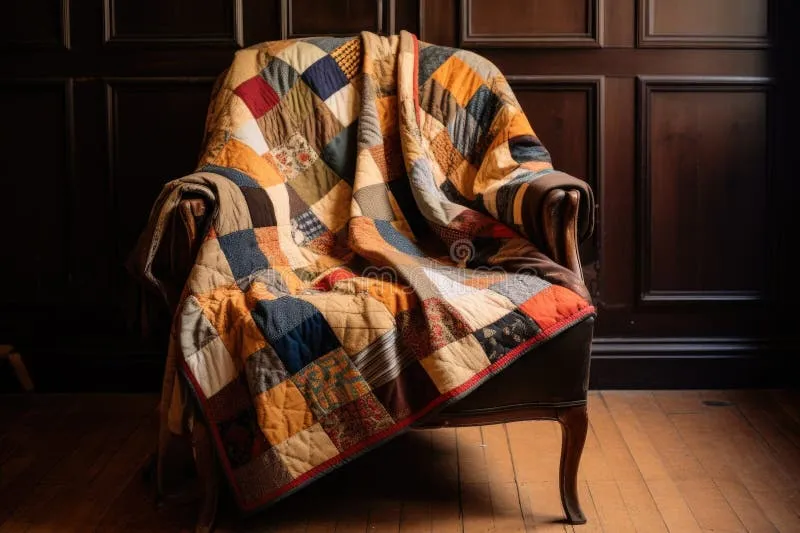
Photo: vintage quilted bed jacket draped on antique chair in soft morning light, via thumbs.dreamstime.com
There is a particular sort of British morning that makes a case for vintage nightwear all by itself. The heating has not quite got going, the window in the spare room is draughty, and the idea of putting on a proper outfit before breakfast feels unnecessarily ambitious. This is where the bed jacket earns its keep. So does a housecoat, a quilted dressing gown, or one of those softly tailored breakfast coats that used to be sold as a sensible extra layer rather than fancy dress.
In 2026, the appeal is not about playing at being a 1950s film star. It is about warmth, practicality and the pleasure of wearing something that was made to be lived in gently. Vintage nightwear sits in that useful middle ground between pyjamas and day clothes, which is exactly where a lot of modern loungewear fails. Too often it is either thin enough to require another layer or bulky enough to feel like a duvet with sleeves. The old pieces tend to have better proportions, better fastenings and a bit more dignity about them.
Why these pieces still make sense now
A good bed jacket is short, warm and easy to move in. It covers the shoulders and upper back without swamping you, which makes it useful for reading, working from the kitchen table, or answering the door to a parcel delivery without giving the postie a full view of your pyjamas. A housecoat is longer and more substantial, often with a wrap front, patch pockets and a belt. A breakfast coat is the dressier cousin: think quilted satin, a neat collar and a shape that looks deliberate rather than merely thrown on.
The British climate makes these pieces more than nostalgic. They suit our housing stock, our unpredictable mornings and our habit of keeping the thermostat a notch lower than we might like. They also suit the way people actually dress at home now. We are not all sitting down to a silver coffee pot. We are making tea, answering emails, putting a wash on and occasionally stepping outside to rescue a bin lid. Vintage nightwear handles all of that with a bit more grace than a hoodie.
Fabrics that earn their keep
Start with the cloth. Quilted pieces are the obvious winter winners, especially those with a silk or satin outer and a soft cotton or wool lining. The quilting traps warmth without making the garment heavy, and the smooth outer layer tends to resist light spills and everyday dust. Look for even stitching and no flat, collapsed patches where the wadding has shifted.
Brushed cotton and flannel are excellent for housecoats and dressing gowns. They are warm, washable and forgiving, though they can pill with age. A little pilling is not a dealbreaker if the fabric still has body and the seams are sound. Wool is worth considering too, particularly in older dressing gowns with a lining. It is warm and breathable, but check for moth damage around the collar, cuffs and hem.
Satin and silk bed jackets are lovely but need a more careful eye. The fabric should feel cool and smooth, not clammy or brittle. Check under the arms and around the neck for splits, as these are common weak points. A good lining is a sign of quality: cotton, silk or a soft viscose will feel pleasant against the skin. A cheap, crackly synthetic lining is a warning that the piece may be more costume than clothing.
What to look for in charity shops and at fairs
Charity shops are still the best hunting ground for affordable nightwear, though you have to be patient. Look beyond the obvious rails. Housecoats and dressing gowns often end up near the nightwear, but bed jackets can be mistaken for odd little blouses or cropped cardigans. Check the buttons, the collar and the label. Older British labels and department store names are a useful clue, but do not ignore unlabelled pieces if the fabric and construction are good.
At vintage fairs, you will pay more but you can ask questions. Try the garment on if you can, or at least hold it up against yourself. A bed jacket should sit on the shoulders without pulling across the back. A housecoat should wrap comfortably without gaping. Check the inside as carefully as the outside: seams, facings, hem allowances and any signs of repairs. A neatly darned patch is fine. A split seam held together with safety pins is not.
If you are buying online, ask for measurements rather than relying on modern sizing. Ask about underarm condition, lining condition and whether the piece has been washed. Photographs can hide a lot, especially on pale satin. Car-boot sales and church hall sales are worth a look too, particularly in the colder months when people are clearing out cupboards.
Styling without the costume party
The trick to wearing vintage nightwear in 2026 is to treat it as a layer, not a fancy-dress outfit. A quilted bed jacket works beautifully over plain pyjamas, a cotton nightdress or even a fine knit and jeans if you are staying in but still want to look half-awake. Keep the rest of the outfit simple. Avoid matching everything to the period. You are not recreating a photograph; you are getting dressed.
A long housecoat can be belted over a slip dress for a slow Sunday, or worn open over a T-shirt and wide-leg trousers. A dressing gown with a good collar looks surprisingly smart over a plain white tee and dark trousers, especially if you swap the original belt for a simple leather one. Slippers should be practical. Thick socks are fine. A full face of vintage makeup is not required.
For colour, let the nightwear lead. A faded rose quilted jacket looks good against grey jersey and navy trousers. A deep green housecoat works with denim and cream. If the piece is patterned, keep everything else quiet. If it is plain, you can afford a striped pyjama or a textured knit underneath. The aim is softness and ease, not a full vintage tableau.
A small care note
Most of these pieces will survive a gentle wash if you are sensible. Check the label, use a cool cycle and avoid a hot tumble dryer. Quilted items benefit from being dried flat and shaken back into shape. Satin and silk are better hand-washed or dry-cleaned unless you are confident. Mend small splits promptly, replace tired buttons and store the pieces somewhere dry. A lavender bag is traditional for a reason.
The point of vintage nightwear is not to turn your morning routine into a performance. It is to make the cold bit of the day feel a little more considered. A bed jacket on the back of the door, a housecoat within reach and a dressing gown that actually covers your knees: these are small, useful comforts. In a British winter, that is worth more than a drawer full of novelty pyjamas.