Ditsy Prints, Modern Boots: Vintage Laura Ashley for a 2026 British Wardrobe
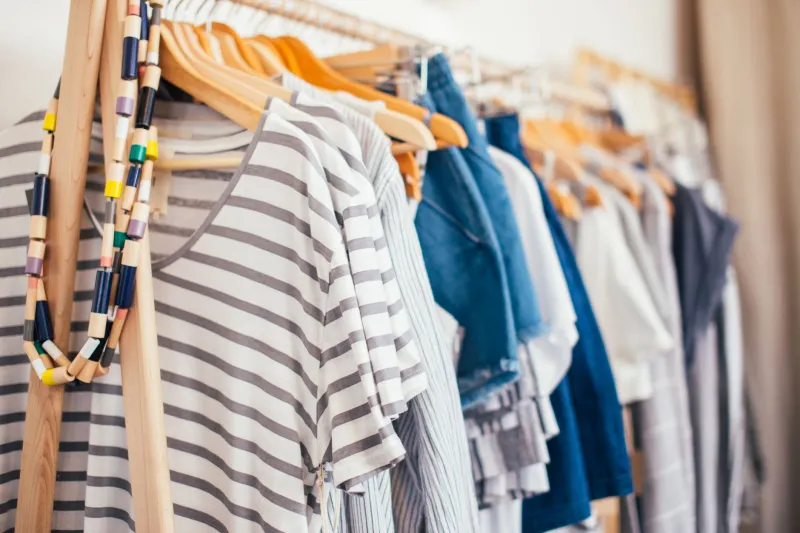
Laura Ashley is the brand that refuses to stay in the dressing-up box. A ditsy floral tea dress can look like a period costume if you wear it head to toe, but worn with a battered denim jacket and muddy boots it becomes something else entirely: useful, familiar, and quietly romantic. The trick in 2026 is not to treat vintage Laura Ashley as a museum piece. Treat it as ordinary clothing with an unusually good print archive.
Start with the label, not the fantasy
Laura Ashley began in the 1950s and grew through the 1960s and 1970s on small-scale florals, cotton lawn and a very British idea of rural prettiness. By the 1980s the brand had gone global, and by the 1990s the look had loosened and production had changed. That matters when you are buying second-hand.
Early and mid-period pieces often carry a woven Laura Ashley label alongside a 'Made in Wales' or 'Made in Great Britain' tag. Those are the ones many collectors look for first, especially in crisp cotton. Later 1980s and 1990s pieces can still be lovely, but you may find more viscose, more synthetic blends and overseas manufacturing. None of that is automatically bad. It just changes how the garment hangs, washes and wears.
Check the care label as carefully as the brand label. A dress that has survived since the 1970s on a cool wash is a better bet than one that has been tumble-dried into a crop top. Look for faded underarms, strained seams and missing buttons, and be realistic about whether you will replace them.
Fabric and fit tells worth knowing
The best vintage Laura Ashley pieces tend to have a certain weight and dryness to the cloth. Cotton lawn is light but crisp, not silky. Brushed cotton and corduroy feel soft and slightly furry. Good pieces often have French seams, self-covered buttons, pintucks, deep hems and neat little shoulder yokes. These are the details that separate a proper vintage find from a later lookalike.
Fit is where many purchases go wrong. Laura Ashley silhouettes often have high necks, puffed shoulders, nipped waists and full or bias-cut skirts. If the shoulders are tight, sizing up is usually better than hoping the seam will give. Cotton lawn can shrink slightly, so check the length and sleeve measurement rather than trusting the marked size. A dress that is a little too big can be belted or altered; one that is too small will sit in the wardrobe and make you feel guilty.
The pieces that earn their rail space
You do not need a full prairie wardrobe. The most wearable vintage Laura Ashley pieces are the ones that can be broken up and mixed with modern clothes.
A dark-ground floral midi dress is the obvious starting point. Navy, forest green, burgundy and black backgrounds are easier to wear in a British winter than pale cream, and they hide the odd splash of rain. A cotton blouse with pintucks or a small collar is another good buy; it works under a jumper, over jeans, or tucked into a skirt. A corduroy pinafore is worth hunting down for autumn, especially in brown, moss or rust. So is a simple cotton skirt with a decent weight and a lining.
If you find a Laura Ashley knit, give it a look. Cardigans and fine knits from the 1980s can be excellent layering pieces, though check for moth holes and stretched cuffs. Quilted jackets and heavier coats exist too, but be fussy about condition; vintage outerwear has usually done some work.
Styling moves that stop it looking like fancy dress
The fastest way to make vintage florals feel modern is to add something slightly ordinary or slightly tough. A denim jacket, a leather biker, a waxed cotton coat, a chunky cable knit, a plain wool blazer. These pieces interrupt the sweetness and give the outfit a reason to exist in 2026.
Try a floral midi dress with opaque tights, ankle boots and a slouchy cardigan. Layer a cotton blouse under a crew-neck jumper so only the collar and cuffs show, then pair it with straight-leg jeans and loafers. Wear a corduroy pinafore over a fine roll-neck and add tights and brogues. If a dress has a matching belt, consider swapping it for a plain leather one; if it has a matching jacket, wear them separately.
Accessories matter more than you think. A canvas tote, a wool scarf, small gold hoops and a weatherproof boot will pull a floral dress into the present. Straw hats, lace gloves and too many ruffles push it the other way. The goal is one vintage piece, everything else now.
A British autumn-to-winter capsule
For a practical 2026 wardrobe, build around three or four pieces. A dark floral midi dress, a pintuck blouse, a corduroy pinafore and a cotton skirt will cover most days. Add black or navy tights, a fine thermal layer if needed, ankle boots and a wool coat. A chunky knit thrown over a dress is often warmer than it looks, especially if the dress is cotton rather than viscose.
British weather is not kind to delicate cotton lawn, so think in layers. A slip underneath adds warmth and stops static. A longline cardigan or a short wool jacket works over a full skirt without crushing it. If it is properly wet, leave the vintage dress at home and wear the blouse under a raincoat instead.
Sourcing and care notes
Charity shops, eBay, Vinted, car-boot sales and local vintage fairs are all fair game. Ask for measurements rather than relying on sizes, and check whether the seller has washed the item. When it arrives, wash cool and line dry unless the label says otherwise. Iron cotton inside out, store knitwear folded, and keep a small sewing kit for loose buttons. Vintage Laura Ashley rewards a little patience. Wear it lightly, mix it firmly, and it stops being costume and starts being clothes.