The Office Suit, Reconsidered: Vintage Tailoring for 2026
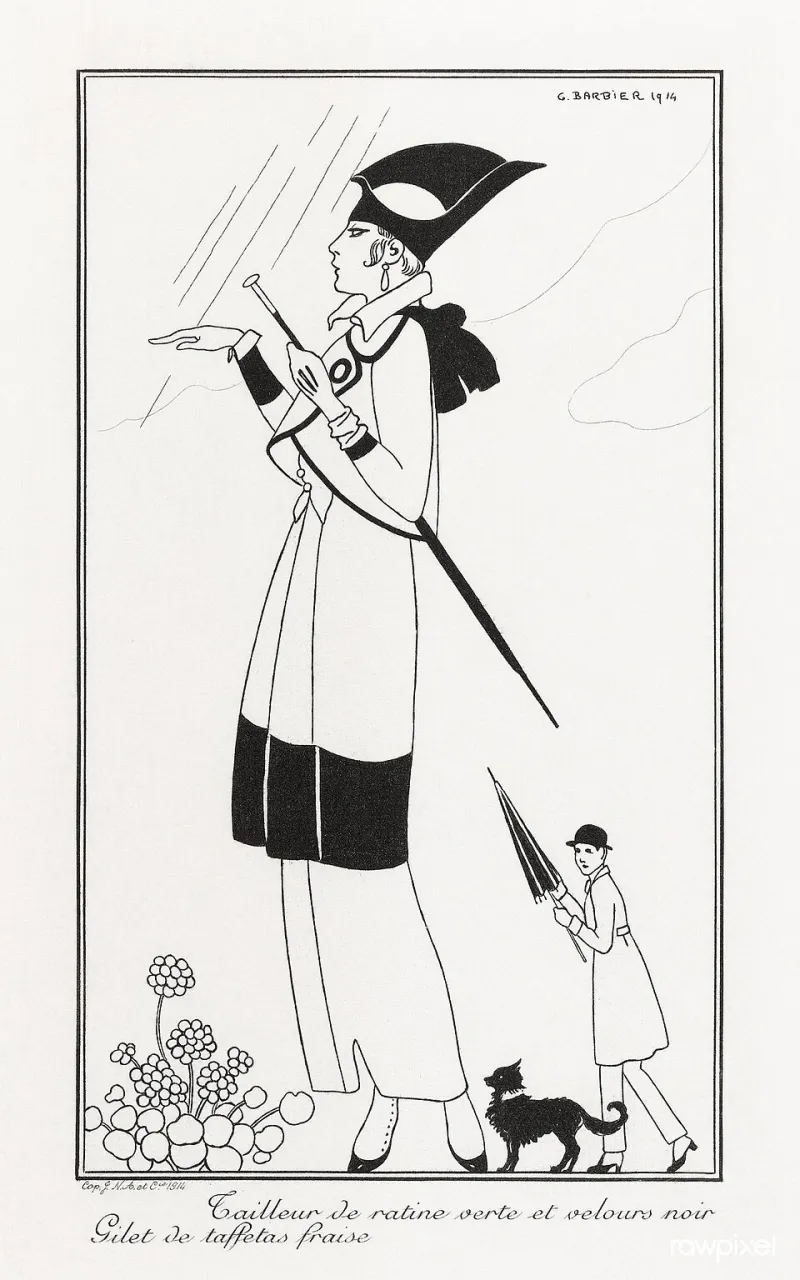
Photo: Free Public Domain Illustrations by rawpixel, CC BY 2.0, via Wikimedia Commons
There is a quiet revolution happening on the charity-shop rail. While the high street fills windows with thin, sharply priced suits that look tired by the second wear, the second-hand suit sits there with its heavy cloth, proper lining and zero fanfare. In 2026, that is not a nostalgia trip. It is a sensible wardrobe decision.
The case for the vintage suit is not that all old tailoring is good. Plenty of it is awful. The case is that a well-made second-hand two-piece offers fabric, cut and longevity that most fast-fashion workwear cannot match at the same price. If you are going to spend eight hours a day in something, it may as well be made of wool that breathes, hangs properly and still looks like a suit after a long week.
The fabric tells the story
Put a high-street suit jacket next to a 1970s or 1980s wool two-piece and the difference is immediate. The vintage jacket usually has weight. It falls rather than clings. The lapels may be a little wider than you are used to, but they have a roll and a shape that cheaper jackets try to fake with fusing and pressing. Check the label if there is one, but trust your hands more. Pure wool, wool blends with a little mohair, and heavier cottons all tend to age better than thin synthetics.
Look inside the jacket. A full lining is a good sign, especially if it is intact at the underarms and across the shoulders. Check the seams at the back and the hem. A little loose thread is nothing; a torn lining or a split seam is a bargaining point. On trousers, check the seat, the knees and the hem. Vintage suits have often been altered before, so look for extra stitching at the waist and signs of let-out seams.
Reading the cut
Shoulders are the most important measurement. A jacket can be taken in at the waist, sleeves can be shortened, and trousers can be tapered. Shoulders are much harder and more expensive to change. If the shoulder seams sit past your natural shoulder line, walk away. If they sit neatly on the edge, the rest is usually workable.
Check the button stance. A jacket that buttons too low can look dated in a way that is hard to fix. A classic two-button jacket with a moderate notch lapel is the safest bet. Look at the vents: a single vent is easy and familiar, while double vents feel a little more formal. Neither is wrong, as long as the jacket lies flat at the back.
For trousers, ignore the waist size on the label and check the actual fit. High-waisted trousers can look excellent with a tucked-in knit or shirt, but they need to sit where you want them to. Check the rise and the leg shape. A straight leg is the most versatile; a very wide leg can work, but it needs the right jacket and shoes to avoid looking like fancy dress.
Era clues that matter
Decade labels are less useful than details. A 1950s suit may have a very nipped waist and short jacket; a 1980s suit may have strong shoulders and a longer line; a 1990s suit may be softer and more relaxed. None of these are automatically good or bad. The question is whether the proportions suit you.
Look at the lapel width, the button placement and the pocket style. Flap pockets are classic; patch pockets are more casual. Working cuffs are a sign of quality but can make sleeve alterations trickier. A centre vent is easy to live with. A bold pinstripe or a very light colour can be wonderful, but it will be less versatile than navy, charcoal, brown or a subtle check. For a first vintage suit, choose the quiet one. You can add the statement suit later.
Alterations that are worth it
A vintage suit rarely fits perfectly off the rail, and that is fine. A good alterations tailor can transform a £15 charity-shop find into something that looks made for you. The usual jobs are shortening sleeves, taking in the waist of the jacket, tapering the trousers and hemming the legs. A waist adjustment on trousers is often simple; taking in a jacket at the back is also common.
Set a budget before you start. If the suit costs £20 and the alterations cost £40, you have a £60 suit that fits you better than most £60 high-street suits. That is still good value. What you want to avoid is buying a suit that needs a new shoulder, a new lining and a complete recut. Those jobs cost more than the suit is worth. Ask the tailor for an honest opinion before you commit.
How to wear it now
The modern office suit is not a uniform. It is a framework. Wear the jacket with the matching trousers for a meeting, then split the pieces for the rest of the week. The jacket works over a fine knit and straight-leg jeans. The trousers work with a plain white shirt and loafers. That is how a vintage two-piece earns its place in 2026: not as a rigid costume, but as two hard-working separates.
Keep the shirt simple. A crisp cotton poplin or an Oxford shirt is nearly always right. If you want a tie, choose a knit tie or a subtle pattern rather than a shiny formal silk. Shoes should be clean and modern: leather loafers, Derby shoes or a sleek ankle boot. A tote or a simple leather briefcase finishes it off. Avoid adding too many vintage touches at once. One good suit is enough.
The quiet economics
Fast fashion has taught us to think in seasons. A vintage suit asks you to think in years. The cloth is already old, the shape has already proved itself, and the price is already low. You are not buying a trend; you are buying a piece of clothing with a past and a future. That is not a compromise on style. In 2026, it might be the smartest office decision you make.