Colour Against the Grey: Vintage Lessons for Dark British Days
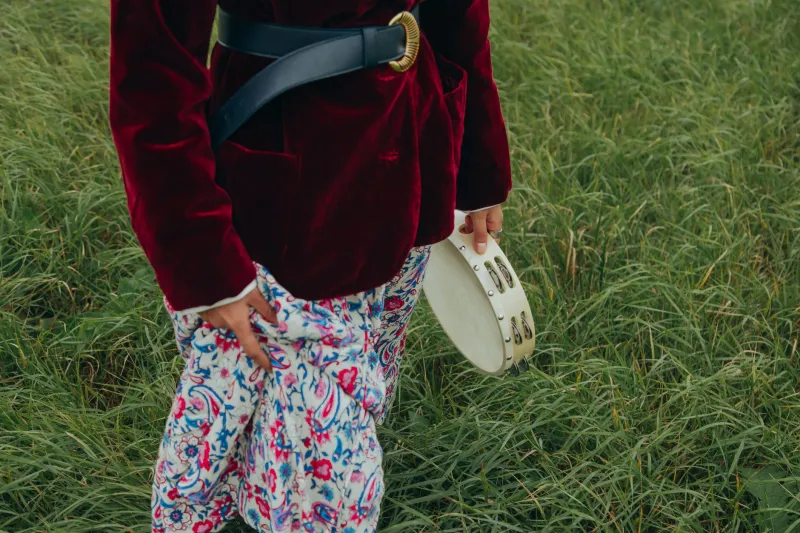
Photo: vintage colourful knitwear winter street style UK, via img.freepik.com
British winter is a study in grey. The sky lowers at three, the pavements shine, and the default wardrobe becomes black, navy and more black. I understand the logic. Dark clothes are forgiving in rain and slush. But there is a point in January when another charcoal layer stops feeling practical and starts feeling like surrender. Vintage colour is the antidote, and it does not require a full makeover. The rule for 2026 is simple: one vintage piece at a time, worn against everything you already own.
The Case for One Bright Thing
Colour in winter is not frivolous. It is a practical mood-lifter and a styling shortcut. A single cobalt sleeve under a grey coat does more for a Tuesday morning than a whole rail of beige. The mistake is treating vintage colour as fancy dress. A 1960s orange shift worn head-to-toe can look like a costume; the same dress under a navy wool coat, with black tights and flat boots, looks like a decision. The vintage piece should feel like the punctuation, not the paragraph.
1960s Mod Brights: Cobalt, Acid Yellow, Signal Orange
The 1960s gave us clean, graphic colour: cobalt blue, tomato red, acid yellow, and the kind of orange that makes grey pavement look intentional. These shades work best when the shape is simple. Look for a fine-knit polo, a shift dress, or a short jacket in a solid bright. Wear a vintage cobalt jumper with wide navy trousers and loafers, or a tomato-red cardigan over a white tee and dark jeans. The point is contrast, not coordination.
Sourcing note: mod brights often hide on summer rails in charity shops, because volunteers sort by season rather than colour. In 2026, check the knitwear rail in February as well as July. A bright jumper in good condition is easier to find than a full dress, and it is easier to wear.
1970s Jewel Tones: Emerald, Burgundy, Mustard
If the 1960s are graphic, the 1970s are rich. Emerald green, burgundy, rust, teal and mustard have a depth that flatters British winter skin, especially when the light is flat. A vintage emerald blouse with grey wool trousers is one of the most reliable combinations I know. A burgundy leather bag can lift a black coat without asking for attention. A mustard scarf — silk or lambswool — is the cheapest way into the palette.
Jewel tones can go wrong when they become muddy. Look for clarity in the colour, not just depth. Hold the piece near your face in daylight if you can. If it makes your skin look grey, leave it. If it makes your eyes look brighter, buy it. That is not mysticism; it is the difference between a colour that reflects light and one that swallows it.
1980s Power Reds: Pillar-Box, Cherry, Rust
The 1980s understood that red is not a neutral. A pillar-box red blazer, a cherry red knit, or a rust-red coat can be the most useful thing in a winter wardrobe, provided you wear only one red at a time. A vintage red blazer over a black roll-neck and straight jeans is a 2026 outfit that owes everything to 1985 and nothing to a fancy-dress shop. A red jumper with a grey pleated skirt and black tights is equally good.
Be careful with red near the face if you are not used to it. A scarf or a bag is a gentler start. Red shoes in wet British weather are a commitment; red gloves are not. The 1980s also gave us burgundy, which is easier to live with and looks excellent with denim.
The 2026 Translation: One Piece, Three Outfits
The rule is one vintage colour piece, three neutral anchors. If you buy a vintage emerald jumper, wear it with grey trousers, black jeans and a navy skirt before you buy anything else. If you buy a red blazer, try it with denim, black and camel. If you buy a mustard scarf, treat it as the only colour in an otherwise grey outfit. This is not a ban on colour; it is a way to make one good piece work harder.
A second rule: let the vintage piece be the oldest thing you are wearing. Modern trousers and a modern coat keep the look grounded. Vintage colour works best when it is not competing with vintage everything.
Where to Find Strong Colour in 2026
Charity shops are better for colour than their reputations suggest. The front rail is often beige and black because that is what sells quickly, but the back rails and the knitwear section can hold surprises. Look for scarves, bags and jumpers first; they are cheaper than coats and easier to try on. Vintage fairs are better for tailored pieces and knitwear with labels, but go early and bring a photo of your coat so you do not buy a colour that fights it.
Online sourcing is useful for specific shades, but check the returns policy. Photographs can make a dull burgundy look like ruby. Ask for a daylight photo if you can. In 2026, a good vintage seller will understand the request.
A Final Note on Light
British daylight is short, but it is honest. It will tell you whether a colour works. Stand by a window, not under a shop light. If the colour makes you look more awake, it is doing its job. Winter dressing does not need to be loud. It needs one deliberate thing that refuses to disappear into the grey.